

Have you ever looked at a delivery that took longer than expected and wondered what really went wrong? On the surface, it may seem like traffic or delays beyond control. But often, the issue starts much earlier with planning. This is where route planning costs begin to take shape.
Poor route decisions quietly affect fuel use, delivery time, and overall efficiency. And most of the time, these costs go unnoticed until they build up.
Why Route Planning Costs Add Up Quickly
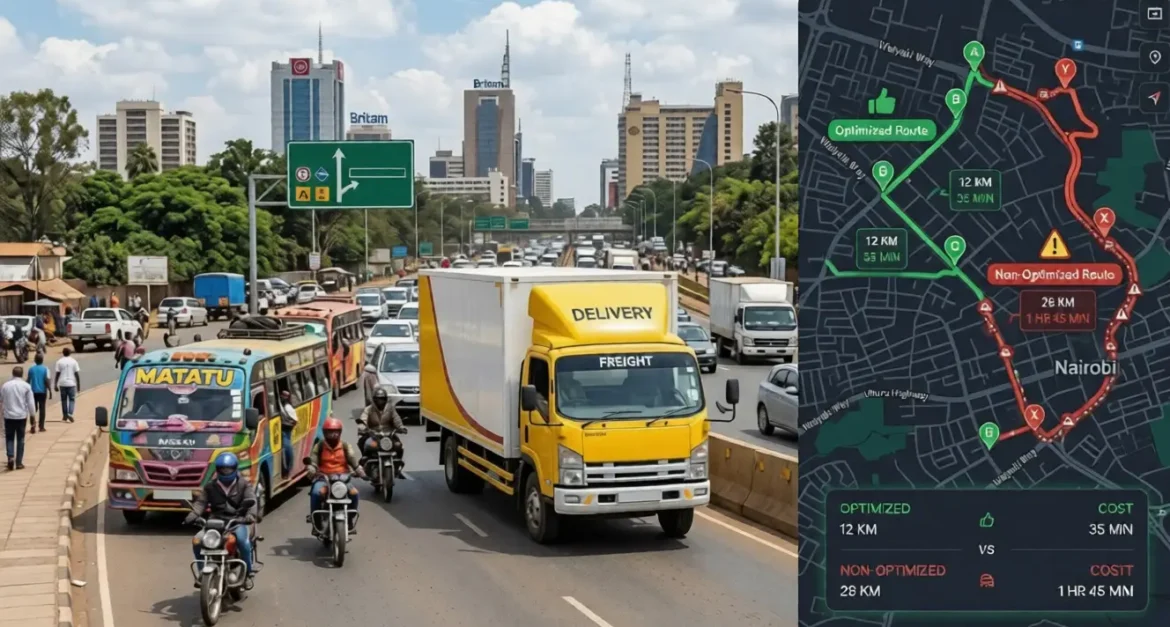
Every route a vehicle takes has a direct impact on cost. Distance, traffic conditions, and stop points all influence how much fuel is used and how long the journey takes. When routes are not optimized, these factors start working against the business.
A few extra kilometers may not seem like a big issue at first. But across multiple vehicles and daily operations, the numbers grow quickly. This is how small inefficiencies turn into significant expenses.
The Link Between Routes and Fuel Usage
Fuel is one of the most sensitive areas affected by routing decisions. Longer routes and heavy traffic lead to higher consumption, even when vehicles are running normally. Over time, this becomes a consistent drain on resources.
With better planning, routes can be adjusted to reduce unnecessary distance and avoid congestion. This does not just save fuel, it also improves delivery timing. And that is where route planning costs begin to drop in a noticeable way.
How Poor Planning Affects Delivery Time
Customers expect reliability. They want deliveries to arrive when promised, without constant delays or excuses. When routes are not well planned, meeting these expectations becomes difficult.
Drivers may take longer paths or encounter avoidable traffic. This leads to missed deadlines and reduced trust from customers. Over time, these delays affect how the business is perceived.
Route Planning Costs and Driver Decisions
Not all routing problems come from systems. Sometimes, they come from habits.
Drivers may choose familiar routes instead of efficient ones. They may avoid certain roads based on personal preference rather than real-time conditions.
This is where visibility becomes important. When routes are tracked and reviewed, patterns become clear. And once those patterns are understood, better decisions can be encouraged.
Using Data to Improve Route Efficiency
Modern fleet systems provide more than just location tracking. They offer insights into travel time, delays, and route performance. This data can be used to refine planning and reduce waste.
When businesses review route performance regularly, they start to see what works and what does not. Adjustments can be made based on real experience, not assumptions. This is how efficiency improves over time.
A Practical Way to Look at It
Imagine taking a longer road every day without realizing there is a shorter one nearby. At first, the difference feels small and unimportant. But over weeks and months, the extra time and fuel become significant.
Fleet operations work the same way. Small routing choices, repeated daily, shape overall performance. That is why route planning costs deserve close attention.
Final Thoughts
Route planning is often treated as a simple step in operations. But in reality, it plays a major role in cost control and service quality. Poor planning leads to wasted fuel, delayed deliveries, and frustrated customers.
The good news is that this is one area where improvement is very possible. With the right tools and a willingness to review data, better routes can be created.
And when routes improve, everything else begins to follow. Costs go down, efficiency goes up, and operations become easier to manage.