

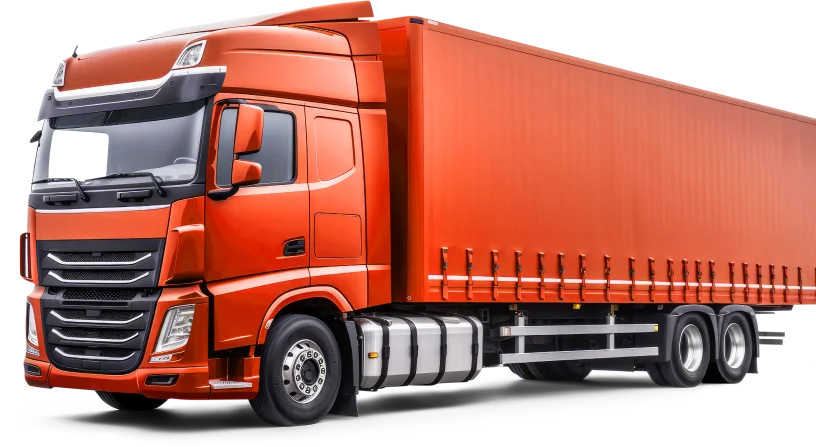


It does not look serious at first. A vehicle is parked, engine still running. Maybe the driver is waiting for a delivery window. Maybe it is just a short stop. It feels harmless. But have you ever stopped to ask how often this happens in a day? Across a fleet, this quiet habit turns into a real expense. And that is where fleet idling cost starts to show up.
Not as a single big loss, but as many small ones that slowly build over time.
Why Fleet Idling Cost Is Often Ignored
Most fleet managers focus on bigger, more visible issues. Fuel theft. Breakdowns. Delays. Idling does not stand out in the same way.
It is easy to overlook because each moment feels small. A few minutes here, a few minutes there. But when you multiply that across several vehicles, every day, the picture changes.
Fuel is burned without movement. Engines run without purpose. Time is lost without notice. And yet, because it happens quietly, it rarely becomes a priority.
Until the numbers are reviewed closely.
How Fleet Idling Cost Affects Fuel and Maintenance
Fuel is usually the first place where the impact is felt.
An idling engine still consumes fuel, even when the vehicle is not moving. Over time, this leads to higher fuel bills without any increase in productivity.
But fuel is only part of the story.
Engines that idle for long periods experience more wear. Components degrade faster. Maintenance becomes more frequent.
Think about it this way.
The vehicle is working, even when it looks like it is resting.
And that hidden workload shortens its lifespan.
This is where fleet idling cost becomes more than just a fuel issue. It becomes a long-term expense.
Fleet Idling Cost and Driver Habits
Let us look at the human side.
Why do drivers leave engines running?
Sometimes it is convenience, habit, or it feels like the easier option, especially during short stops.
In some cases, drivers may not even realize the impact.
After all, the vehicle is not moving. It does not feel like anything is being used.
But behavior shapes cost.
When idling becomes routine, it spreads across the fleet. What started as a small habit becomes a standard way of operating.
The good news is that habits can change.
When drivers are made aware of idling patterns, they often adjust quickly. Not because they are forced, but because they understand the effect.
And that is where improvement begins.
Reducing Fleet Idling Cost with Better Visibility
You cannot fix what you cannot see.
This is why tracking idling time is important.
When fleet systems highlight how long vehicles remain idle, patterns start to appear. Certain route, drivers and certain times of day.
Once you see these patterns, action becomes easier.
You can set guidelines. Reduce unnecessary waiting time. Adjust schedules. Train drivers on better practices.
Small changes, applied consistently, make a noticeable difference.
And over time, the savings become clear.
A Simple Way to Think About It
Imagine leaving a tap running slowly all day.
At first, it does not seem like a problem. It is just a small flow of water.
But by the end of the day, the amount wasted is significant.
Fleet idling works the same way.
It is not one big loss. It is a continuous, unnoticed drain.
Final Thoughts
Fleet idling cost is easy to ignore because it hides in everyday operations.
There is no sudden breakdown. No clear alarm. Just small, ongoing waste.
But for businesses managing multiple vehicles, those small losses matter.
Fuel costs rise quietly. Maintenance needs increase earlier than expected. Efficiency drops without a clear reason.
The solution is not complicated.
It starts with awareness.
When you begin to track idling, understand its causes, and guide driver behavior, the impact becomes easier to control.
And once you reduce unnecessary idling, you are not just saving fuel.
You are protecting your vehicles, improving efficiency, and running a more disciplined operation.
That is the kind of change that shows up clearly in your numbers.