

There is a moment every fleet manager knows. Something goes wrong, and the update comes too late. A delay, a breakdown, or a missed delivery. By the time you hear about it, the damage is already done. This is where fleet monitoring systems start to matter. They shift you from delayed updates to real-time awareness.
Why Fleet Monitoring Systems Matter Today
Fleet operations move fast. Vehicles are on the road, decisions are happening, and conditions keep changing.
Relying on end-of-day reports is no longer enough. By then, the opportunity to fix problems early is already gone.
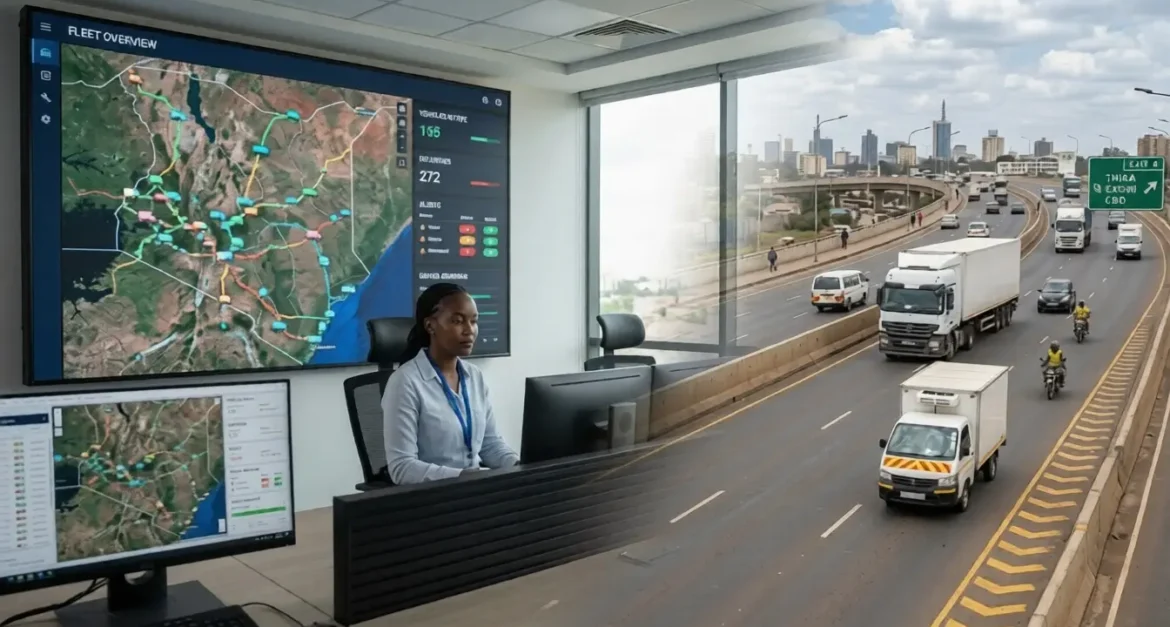
With fleet monitoring systems, you see what is happening as it happens. That changes how quickly you can respond.
From Tracking to Real-Time Control
Tracking shows you location. Monitoring shows you activity.
You do not just see where a vehicle is. You see how it is being driven and what is happening around it.
This is the real shift. Fleet monitoring systems turn passive data into active control.
Responding Faster to Issues
Think about a vehicle that suddenly stops. Without real-time monitoring, you may only find out much later.
With the right system, alerts are immediate. You can check the situation and act without delay.
This speed makes a difference. Small issues are handled before they grow into bigger problems.
Improving Safety Across the Fleet
Safety is not just about rules. It is about awareness.
When driving behavior is monitored in real time, risky actions become visible. Speeding, harsh braking, and sudden movements are easier to catch.
With fleet monitoring systems, managers can guide drivers early. That reduces accidents and builds safer habits over time.
Better Coordination and Communication
Fleet operations involve many moving parts. Drivers, dispatch teams, and managers all need to stay aligned.
Without real-time insight, communication becomes reactive. People spend time asking questions instead of solving problems.
Monitoring systems reduce that gap. Everyone works with the same information, at the same time.
Reducing Delays and Uncertainty
Delays are not always avoidable. Traffic, weather, and road conditions can interfere with plans.
But uncertainty makes delays worse. Not knowing what is happening creates confusion.
With fleet monitoring systems, you can see disruptions as they occur. This allows you to adjust routes, inform customers, and stay in control.
A Simple Way to See the Difference
Imagine watching a recorded match after it ends. You see everything, but you cannot change the outcome.
Now imagine watching it live. You react, adjust, and make decisions in the moment.
Fleet management works the same way. Real-time monitoring gives you the chance to act, not just observe.
Final Thoughts
Fleet monitoring systems are not just about technology. They are about timing.
When you know what is happening in the moment, your decisions become faster and more accurate.
Over time, this leads to fewer delays, better safety, and smoother operations.
And perhaps the biggest shift is this. You move from managing after the fact to managing as things happen.