





No products in the cart.
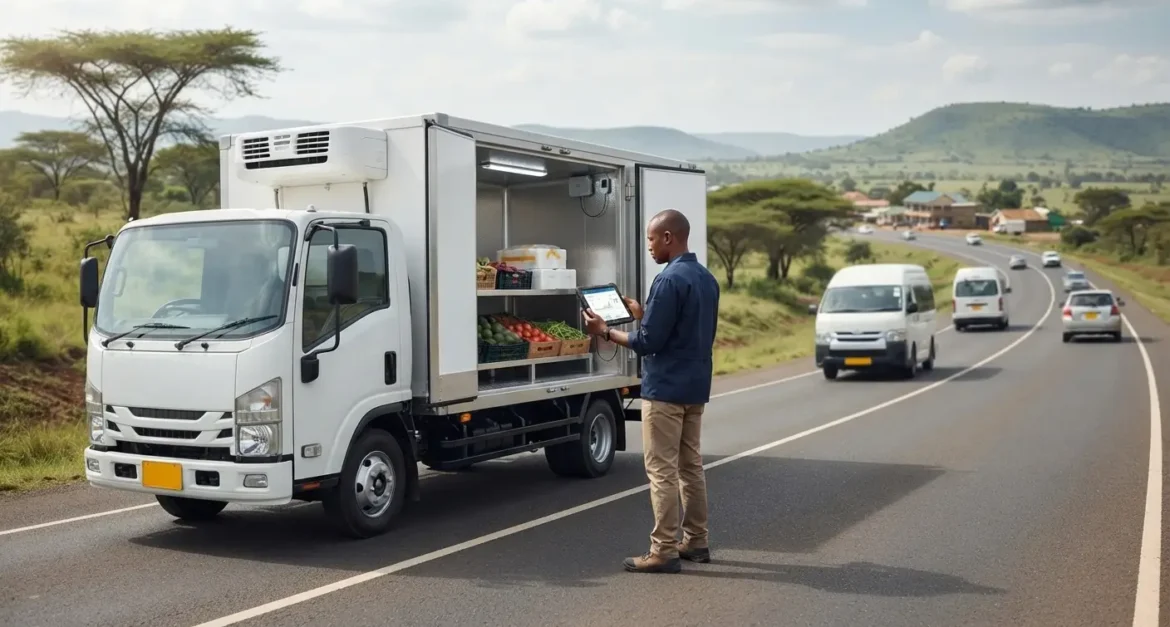
Transporting temperature-sensitive products requires more than a refrigerated vehicle. Businesses must ensure that products remain within the required temperature range throughout the journey, from collection to final delivery. Without proper monitoring, a small temperature change can result in damaged goods, financial losses, and unhappy customers.
This is why cold chain monitoring is important for businesses involved in food distribution, pharmaceutical transportation, healthcare, and other industries that handle sensitive products. It provides visibility into temperature conditions and helps businesses respond when something goes wrong.
Why Cold Chain Monitoring Matters
Some products can lose their quality or become unsafe when exposed to unsuitable temperatures. Fresh produce, frozen foods, vaccines, medicines, and other sensitive goods require specific storage and transportation conditions.
A refrigerated truck may appear to be working normally while its internal temperature gradually moves outside the required range. Without continuous monitoring, the problem may only be discovered when the goods reach their destination.
Monitoring helps businesses identify temperature changes earlier. This gives fleet managers an opportunity to investigate and respond before an entire shipment is affected.
Understanding Temperature Excursions
A temperature excursion occurs when a product or storage environment moves outside its required temperature range. This can happen for several reasons, including refrigeration equipment failure, prolonged door openings, poor loading practices, or delays during transportation.
Even a short period outside the recommended range can affect certain sensitive products. The level of risk depends on the product, the temperature reached, and how long the exposure lasts.
For businesses transporting these goods, knowing when an excursion happens is essential. Accurate temperature records also help establish whether products were maintained under the required conditions throughout transportation.
How Cold Chain Monitoring Works
Modern monitoring systems use temperature sensors installed inside refrigerated vehicles or storage areas. These sensors collect readings at regular intervals and transmit the information to a monitoring platform.
Fleet managers can view temperature conditions remotely without having to physically inspect every vehicle. Depending on the system, they may also receive alerts when readings exceed predefined limits.
This makes it easier to identify problems while goods are still in transit. Instead of discovering damaged products after delivery, businesses can investigate unusual readings and take appropriate action earlier.
Preventing Product Losses During Transportation
Temperature control can be affected by several operational factors. Refrigeration equipment may malfunction, vehicle doors may remain open for too long, or deliveries may take longer than planned.
Without reliable monitoring, these problems can go unnoticed. By the time a vehicle reaches its destination, some or all of its cargo may already have been compromised.
Cold chain monitoring gives businesses better visibility into these risks. Temperature alerts can help managers investigate potential problems, contact drivers, and arrange corrective action where possible.
It is important to remember that an alert does not automatically prevent product damage. Its value comes from giving responsible personnel enough information to respond promptly.
Improving Accountability Across the Supply Chain
Temperature-sensitive products often pass through several stages before reaching the final customer. They may move between warehouses, distribution centres, transport vehicles, and retail locations.
Each stage creates an opportunity for temperature conditions to change. Without proper records, it can be difficult to determine where a problem occurred.
Digital temperature logs provide a record of conditions during transportation. These records can help businesses review handling procedures, investigate complaints, and demonstrate compliance with applicable requirements.
They also encourage greater accountability among everyone involved in handling sensitive goods.
The Role of Technology in Cold Chain Management
Modern fleet technology brings temperature information together with vehicle tracking and operational monitoring. This allows businesses to understand not only the condition of their cargo but also where the vehicle is and how its journey is progressing.
For example, if a refrigerated truck experiences an unexpected temperature increase, a fleet manager can review its location and travel history. This information can help determine whether the issue is related to equipment performance, delays, or handling practices.
Combining these capabilities gives businesses a clearer picture of their transportation operations. It also supports better planning and more informed decisions.
Choosing the Right Monitoring Approach
Not every business transports the same type of temperature-sensitive goods. A company distributing frozen food may have different requirements from one transporting vaccines or fresh agricultural products.
The monitoring solution should therefore match the products being transported and their specific temperature requirements. Businesses should consider sensor accuracy, alert settings, reporting capabilities, data storage, and ease of access.
It is also important to maintain refrigeration equipment and calibrate monitoring sensors according to appropriate requirements. Technology works best when supported by proper operating procedures and regular inspections.
Final Thoughts
Maintaining the right temperature throughout transportation is essential for businesses handling sensitive products. A refrigeration unit alone cannot guarantee that goods remain within the required conditions throughout an entire journey.
Cold chain monitoring gives businesses the visibility needed to identify temperature changes, investigate problems, and maintain reliable records. It helps protect product quality while reducing the risk of avoidable losses.
For businesses involved in food distribution, pharmaceuticals, and temperature-controlled logistics, investing in proper monitoring is an important step towards safer and more reliable transportation.
