

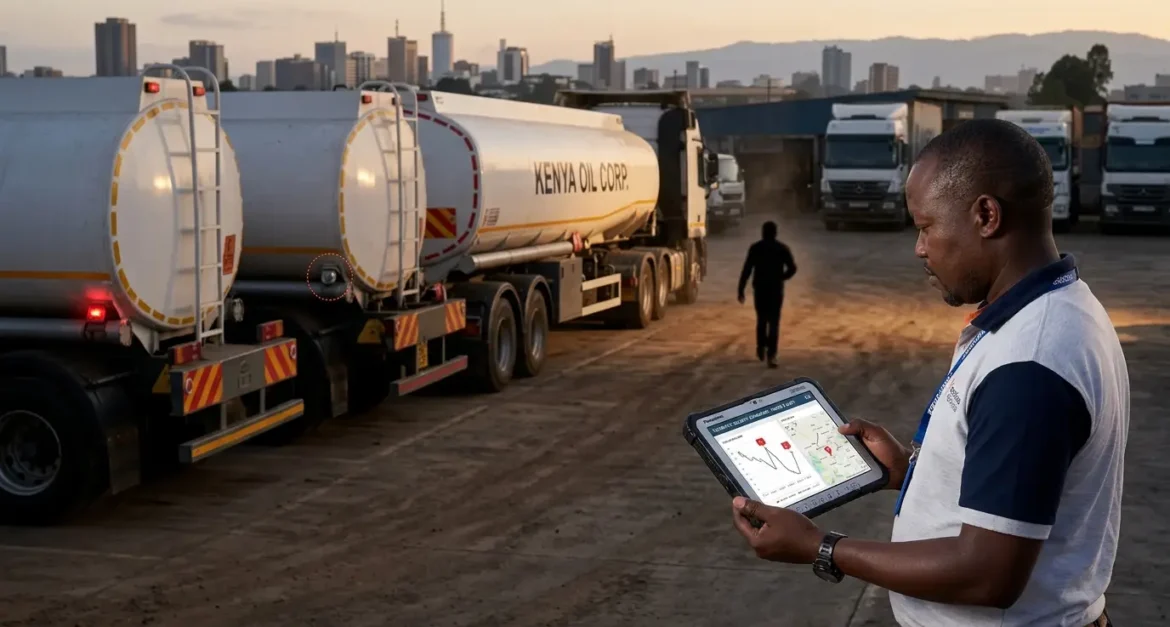
A fuel truck sets out before dawn on a long haul route, tanks full, heading toward a remote depot. Hours later, records show it delivered less than it left with, and the gap is written off as “normal loss.” In oil and gas operations, that gap is rarely as normal as it looks. Fuel theft thrives exactly in the conditions this sector runs on: long distances, remote roads, and fuel volumes large enough that a small percentage skimmed off the top adds up fast.
The challenge is not that operators do not care. It is that, without the right data, theft and ordinary variance look identical on paper.
Why Oil & Gas Fleets Face Unique Fuel Risk
Oil and gas transport routes often run through sparsely populated areas, sometimes far from direct supervision, sometimes overnight. The vehicles involved also tend to carry larger fuel loads than a typical delivery van, which raises both the opportunity and the payoff for siphoning.
Add multiple stops, driver handoffs, and long hours, and it becomes easy for a small, repeated loss to hide inside normal operational noise.
How Fuel-Level Monitoring Detects Theft
This is where fuel monitoring earns its keep. Sensors track fuel level continuously, not just at refill and delivery, which makes it possible to see the difference between a gradual, expected drop from normal engine use and a sudden, sharp drop consistent with siphoning.
That distinction matters. Our earlier article on fleet idling cost looked at a different kind of fuel loss entirely, waste from an engine left running rather than theft from a tank being drained. Both cost money, but they need to be told apart to be solved correctly.
Combining Fuel Data With Location and Driver Behavior
A sudden fuel drop on its own is a clue. Paired with location data, it becomes evidence. A steep drop that lines up with an unscheduled stop off the approved route tells a very different story than one that happens during a routine, logged delivery.
This is the same layered approach we describe in asset tracking and fuel monitoring in East Africa, where combining data sources turns isolated numbers into a clear operational picture rather than a pile of disconnected alerts.
From Detection to Deterrence
Detecting theft after the fact is useful, but the bigger shift happens once drivers and handlers know the fuel level is being watched in real time. The behavior most likely to disappear first is the kind that depended on nobody checking closely.
In practice, these alerts flow through the same monitoring process used for other fleet risks, reviewed by a team watching fleet activity around the clock, so an unusual fuel event does not sit unnoticed until the next depot check.
Closing the Gap
Fuel loss in oil and gas fleets will never drop to zero, and no monitoring system claims otherwise. What changes is the size of the gap between what left the depot and what should have arrived. When that gap is visible, questioned, and tracked to a specific time and place, it stops being an accepted cost of doing business.
To see how the same monitoring approach applies to protecting financed vehicles and equipment, read our piece on GPS immobilization and asset recovery.