


No products in the cart.
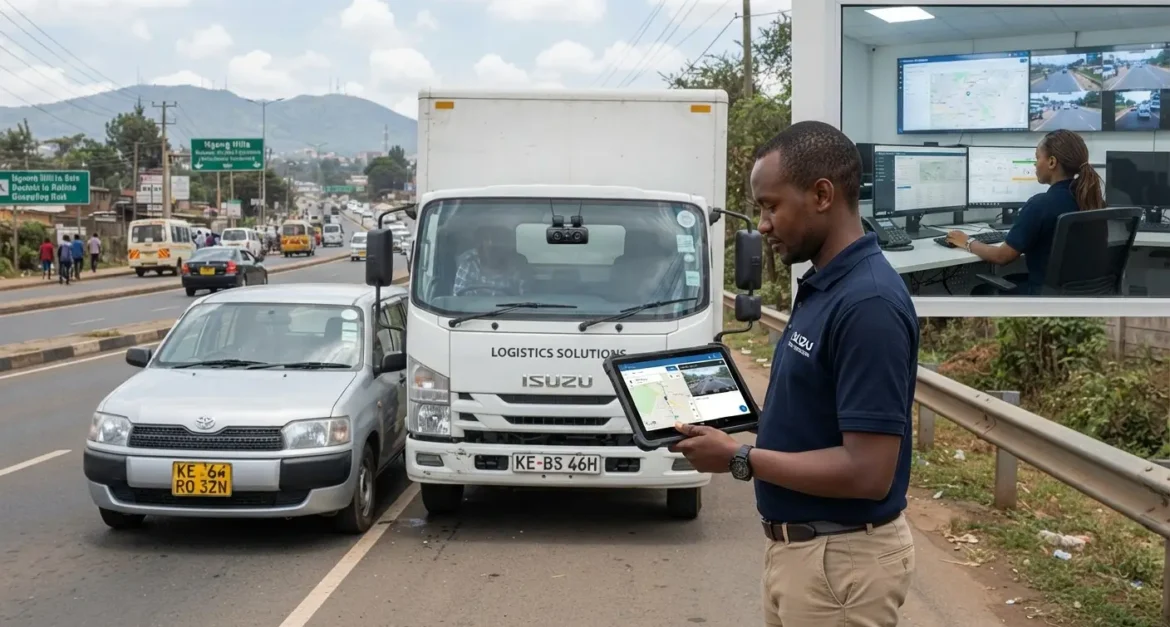
When a company vehicle is involved in an accident, the consequences can extend far beyond vehicle damage. Businesses may face insurance disputes, repair expenses, delivery delays, and questions about who was responsible. In some cases, getting accurate information about what happened can be just as difficult as dealing with the accident itself.
This is where telematics evidence becomes valuable. By collecting information such as vehicle location, speed, movement history, and dashcam footage, businesses can build a clearer picture of events. This information can help fleet managers investigate incidents and provide useful supporting records when dealing with insurance companies.
Why Telematics Evidence Matters After an Accident
Accidents often happen within seconds, leaving drivers and witnesses with different accounts of what occurred. Important details can also become difficult to remember as time passes. Without reliable records, businesses may struggle to establish an accurate sequence of events.
Vehicle telematics provides information that can help fill these gaps. Depending on the installed equipment, records may show where a vehicle was travelling, its speed, and its movement before an incident. Video footage can provide additional visual context.
Having access to these records helps businesses approach accident investigations with more information rather than relying entirely on verbal accounts.
What Information Can Fleet Telematics Capture?
Modern fleet monitoring solutions can collect different types of information depending on the technology installed in a vehicle. Each data source offers a different perspective on vehicle activity and driver behaviour.
Common examples include:
- GPS location history: Shows where a vehicle travelled and its location at particular times.
- Speed records: Helps establish how fast a vehicle was moving before or during an incident, where supported by the system.
- Dashcam footage: Provides visual information about road conditions, surrounding vehicles, and events captured by the camera.
- Driver behaviour data: Records events such as harsh braking, rapid acceleration, and sharp cornering when supported by the equipment.
- Time and trip records: Helps establish when a journey started, where it took place, and when an incident may have occurred.
When these records are considered together, they can provide a more complete understanding of vehicle activity.
How Video Telematics Supports Accident Investigations
GPS information can show where an accident happened, but location data alone may not explain the circumstances. Video telematics adds another layer by recording what happens around the vehicle.
Dashcams can capture road conditions, traffic movements, other vehicles, and events leading up to an incident. This footage may help investigators understand whether a vehicle was changing lanes, approaching an intersection, or responding to another road user’s actions.
For businesses operating several vehicles, recorded footage can also help managers review incidents without depending entirely on drivers’ recollections. However, camera coverage depends on the installed equipment, camera positioning, and recording settings.
Supporting Insurance Claims with Better Records
Insurance claims often require businesses to provide information about an accident. This may include the incident location, time, vehicle details, photographs, witness accounts, and other supporting documents.
Telematics evidence can supplement these records by providing information about the vehicle’s movements and activity. For example, GPS history may help confirm a vehicle’s location, while available camera footage may provide additional context about the incident.
This does not automatically guarantee that an insurance claim will be approved. Insurance companies still assess the available information against policy conditions and their investigation requirements. Nevertheless, having reliable vehicle records can make it easier for businesses to explain what happened.
Protecting Businesses from False or Unclear Accident Reports
Not every accident investigation involves a straightforward disagreement. Sometimes, businesses receive complaints or claims involving incidents that are difficult to verify. Without supporting records, responding to such claims can become complicated.
Fleet monitoring systems help businesses maintain independent records of vehicle activity. Managers can compare reported incidents with available location histories, timestamps, and footage to identify inconsistencies.
These records should be preserved carefully and handled responsibly. Access should be limited to authorised personnel, particularly where footage contains personal information about drivers, passengers, or other road users.
Building a Better Fleet Accident Management Process
Technology is most useful when it forms part of a clear business process. Companies should establish procedures for reporting accidents, securing available footage, recording incident details, and notifying the relevant insurance providers.
Drivers should also understand what information they need to provide after an incident. This includes the location, time, vehicles involved, photographs where safe to obtain them, and details of any witnesses.
Fleet managers should regularly check that tracking devices and cameras are working correctly. They should also understand how long records are retained and how relevant footage can be retrieved when needed.
Final Thoughts
Vehicle accidents are sometimes unavoidable, but the uncertainty that follows them can be reduced. Businesses need reliable information to investigate incidents, communicate with insurers, and make informed decisions about what happened.
Telematics evidence gives fleet managers access to useful vehicle records that can support these processes. Through GPS tracking, video footage, and driver behaviour monitoring, businesses can improve their understanding of road incidents and maintain better operational records.
For companies that depend on commercial vehicles, investing in the right monitoring technology is not only about knowing where vehicles are. It is also about having the information needed when something goes wrong.
