



No products in the cart.
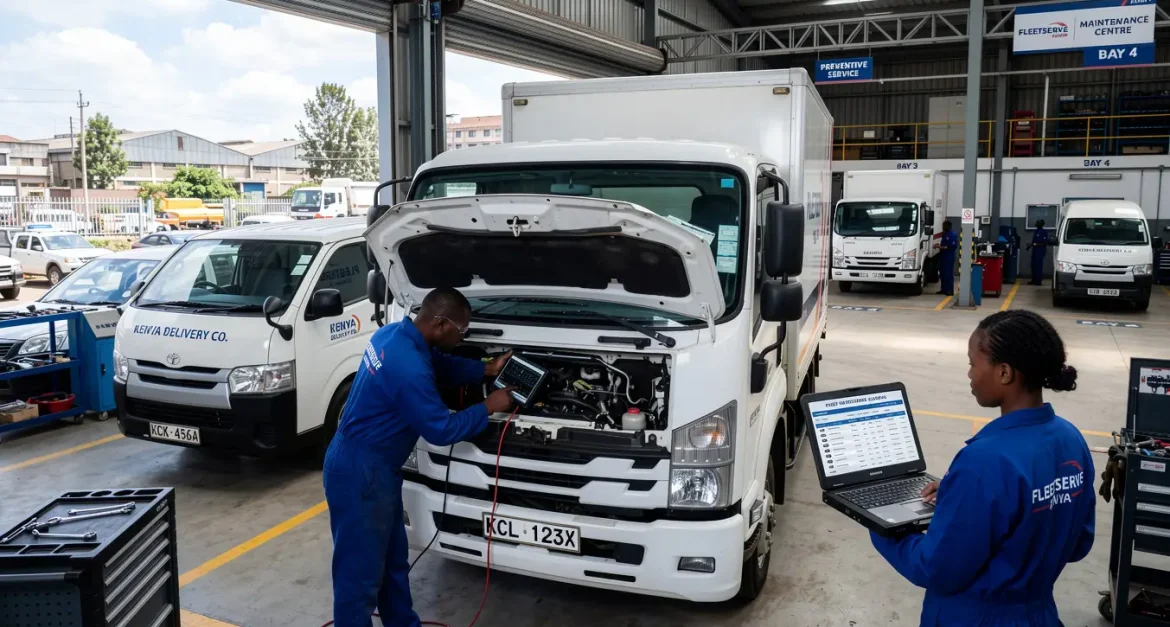
A fleet performs at its best when every vehicle is ready for the road. Waiting until something breaks often leads to expensive repairs and unexpected delays. That is why fleet maintenance scheduling has become an essential part of successful fleet management.
A well-planned maintenance schedule keeps vehicles in good condition and reduces the chances of costly downtime. Instead of reacting to problems, businesses can prevent them before they interrupt daily operations. This approach creates a more reliable and efficient fleet.
Why Fleet Maintenance Scheduling Matters
Every vehicle experiences wear and tear as it travels. Engine components, brakes, tires, and fluids all require regular attention to perform safely and efficiently. Ignoring these routine needs can quickly lead to mechanical failures.
Maintenance scheduling ensures that inspections and servicing happen at the right time. Rather than relying on guesswork, fleet managers follow planned intervals based on mileage, operating hours, or manufacturer recommendations. This keeps vehicles operating at their highest potential.
Businesses that invest in preventive maintenance often spend less on emergency repairs. They also experience fewer unexpected disruptions, allowing drivers to complete deliveries and assignments with greater confidence.
Reducing Downtime Through Better Planning
Unexpected vehicle breakdowns create problems far beyond repair costs. Deliveries are delayed, customers are inconvenienced, and drivers lose valuable working hours. In some cases, a single breakdown can affect several other scheduled jobs.
With fleet maintenance scheduling, these situations become less common. Vehicles are serviced before small issues become major failures. This proactive approach keeps more vehicles available for daily operations.
Planning maintenance also makes workshop time more predictable. Fleet managers can schedule servicing during quieter periods instead of dealing with emergencies that disrupt the entire operation.
Improving Safety Across the Fleet
Vehicle safety begins long before a driver starts the engine. Routine inspections help identify worn brakes, damaged tires, faulty lights, and other issues that could create risks on the road. Addressing these concerns early protects both drivers and other road users.
Regular maintenance also improves vehicle performance. Properly serviced engines run more efficiently, steering remains responsive, and braking systems perform as expected. These improvements contribute to safer journeys every day.
A strong maintenance programme also demonstrates that a business values safety. Customers, employees, and stakeholders gain greater confidence when they know fleet vehicles are properly maintained.
Lowering Long-Term Operating Costs
Some businesses delay servicing to avoid immediate expenses. While this may reduce costs in the short term, it often leads to larger repair bills later. Replacing a damaged engine component is usually far more expensive than maintaining it regularly.
Scheduled maintenance helps identify minor issues before they become major repairs. Replacing worn parts early often prevents damage to surrounding components. This simple practice protects both the vehicle and the maintenance budget.
Fuel efficiency also benefits from well-maintained vehicles. Engines that receive regular servicing generally perform better, helping businesses manage fuel consumption more effectively.
Using Technology to Simplify Maintenance
Modern fleet management systems make maintenance scheduling much easier. Instead of relying on manual records, businesses can receive automatic reminders when vehicles are due for servicing. This reduces the risk of missed inspections.
Maintenance records also become easier to track. Fleet managers can quickly review service history, identify recurring issues, and make informed decisions about repairs or vehicle replacement. Accurate records support better planning across the entire fleet.
Technology also improves communication between fleet managers, workshops, and drivers. Everyone works from the same maintenance schedule, reducing confusion and improving efficiency.
A Smarter Way to Protect Fleet Assets
Every vehicle represents a significant investment. Protecting that investment requires consistent care rather than occasional attention. Preventive maintenance allows businesses to maximise the value of every fleet asset.
Well-maintained vehicles generally remain in service longer. They experience fewer major failures and often retain better resale value. This creates long-term financial benefits that extend beyond daily operations.
Businesses that treat maintenance as part of their overall strategy are often better prepared for growth. Reliable vehicles provide the stability needed to expand operations with confidence.
Final Thoughts
Successful fleets are built on consistency. Drivers need dependable vehicles, customers expect reliable service, and businesses want predictable operating costs. These goals become much easier to achieve with a structured maintenance programme.
Fleet maintenance scheduling provides that structure. It reduces breakdowns, improves safety, lowers repair costs, and keeps vehicles performing at their best. Rather than waiting for problems to appear, businesses stay one step ahead through careful planning.
In today’s competitive transport and logistics industry, preventive maintenance is more than good practice. It is a smart investment that supports efficiency, customer satisfaction, and long-term business success.
