

Most fleet systems today generate a lot of data. Trips, speeds, fuel use, stops, and driver behavior are all recorded in real time. But here is the real question. How much of that information actually changes what you do every day? This is where Telematics Data Decisions becomes important. Because data alone does not improve a fleet. Decisions do.
And there is a big difference between having information and using it well.
Why Telematics Data Decisions Matter
Many companies believe that installing tracking systems is the end goal.
But in reality, it is only the beginning.
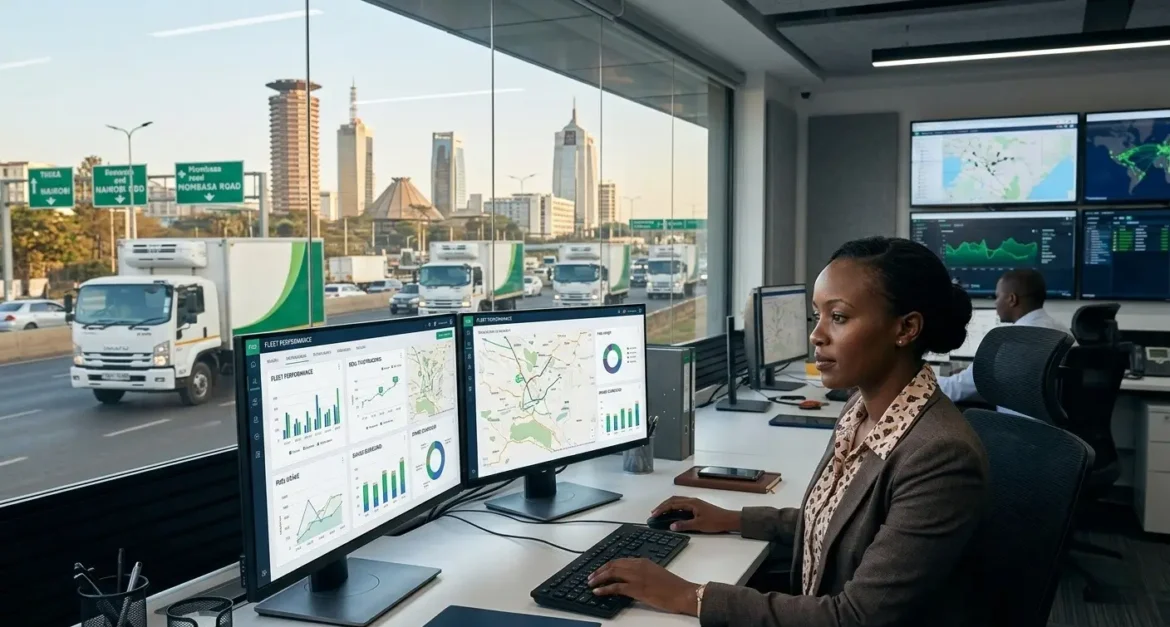
You may have dashboards filled with charts and reports. You may even receive weekly summaries. Still, operations remain the same.
Why does this happen?
Because data is often collected but not translated into action.
Without clear decisions, telematics becomes a storage system instead of a management tool.
And that is where opportunities are lost.
Fuel inefficiencies continue. Delays remain unsolved. Maintenance issues appear too late.
The data is there. But it is silent.
Telematics Data Decisions in Daily Operations
When fleets start using data to guide daily choices, things begin to shift.
Instead of looking at reports after problems happen, managers start responding in real time.
A driver who consistently idles too long can be guided early. A vehicle showing unusual fuel consumption can be inspected before costs rise. A route that keeps causing delays can be adjusted.
This is the practical side of Telematics Data Decisions.
It turns information into action.
And action is what creates change.
Over time, small improvements add up. Less waste. Better timing. Fewer surprises.
From Reports to Real Control
Reports are useful, but they often look backward.
They tell you what has already happened.
But fleet operations are happening right now.
This is why decision-making matters more than reporting.
When you start using telematics data correctly, you stop asking only “what happened?” and start asking “what should we do now?”
That shift changes how teams work.
Instead of reacting at the end of the week, decisions are made during the day. Problems are handled early. Performance improves steadily.
And control becomes more real, not just theoretical.
Telematics Data Decisions and Driver Behavior
One of the most powerful uses of telematics data is understanding driver behavior.
It is easy to overlook how much impact driving habits have on costs.
A few extra seconds of idling here. A bit of speeding there. Small route changes that seem harmless.
Individually, they do not look serious.
But across a full fleet, they add up quickly.
With better use of data, these patterns become visible.
And once they are visible, they can be addressed.
Not through pressure, but through awareness.
Drivers begin to understand how their actions affect fuel use, safety, and maintenance. Managers can give targeted guidance instead of general instructions.
That is where improvement starts.
Building a Culture of Better Decisions
Good fleet management is not just about tools. It is also about habits.
When teams get used to using data in daily decisions, the culture begins to shift.
Meetings become more focused. Discussions rely on facts instead of assumptions. Problems are solved faster.
This is what happens when Telematics Data Decisions becomes part of everyday work.
It stops being a technical feature and becomes a way of thinking.
And that is harder to copy.
A Simple Way to Think About It
Think of telematics data like ingredients in a kitchen.
On their own, they do nothing.
You can have flour, eggs, and sugar sitting on the table. But until someone makes a decision to bake, nothing changes.
Fleet data works the same way.
Without decisions, it stays raw information.
With decisions, it becomes useful action.
Final Thoughts
Most fleets do not struggle because they lack data.
They struggle because they do not act on it clearly or consistently.
That is the real challenge.
Telematics Data Decisions is not about collecting more information. It is about using what you already have in a smarter way.
When decisions become faster and more grounded in real data, operations start to improve naturally.
Costs become easier to manage. Drivers become more aware. Managers gain confidence in what they are doing.
And slowly, the fleet stops running on assumptions.
It starts running on clarity.