

Road safety remains a major concern for fleet operators across East Africa. From busy highways to unpredictable rural roads, drivers face risks every day. Accidents lead to injuries, vehicle damage, insurance claims, and business disruption. For many fleet managers, the challenge is not knowing what really happens behind the wheel. This is where video telematics safety is changing the conversation. By combining in-vehicle cameras with telematics data, fleets gain clear visibility into driving behavior and road incidents, allowing them to prevent risks before they turn into costly events.
What Is Video Telematics Safety?
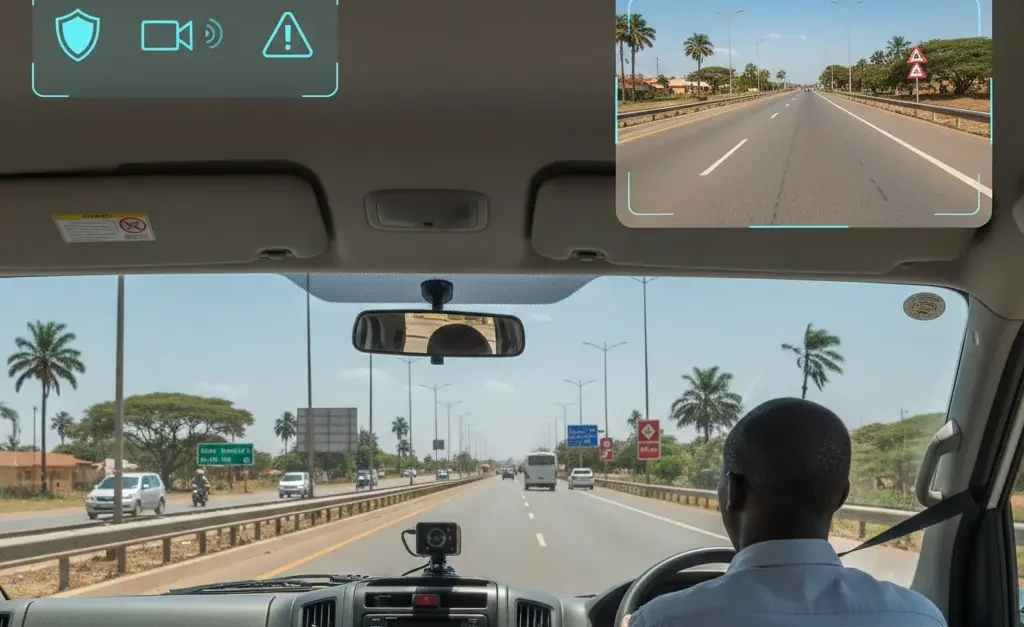
Video telematics safety refers to the use of in-cab and road-facing cameras integrated with vehicle tracking systems. These cameras record driving events such as harsh braking, sudden acceleration, sharp turns, and collisions. The footage is paired with data like speed, location, and time to give full context to every incident.
Unlike traditional GPS tracking, video telematics does not rely on assumptions. It shows exactly what happened, when it happened, and why it happened. This clarity helps fleet managers move from reactive problem-solving to proactive safety management.
How the System Works
- In-Cab Cameras monitor driver actions such as distraction or seatbelt use.
- Road-Facing Cameras capture traffic conditions and external risks.
- Event Triggers automatically save footage during risky driving events.
- Cloud Dashboards allow managers to review footage and data in real time.
Together, these tools create a reliable safety framework for modern fleets.
Why Video Telematics Safety Matters in East Africa
Operating fleets in East Africa comes with unique challenges. Traffic congestion, inconsistent road conditions, and mixed road users increase the risk of accidents. Video telematics safety addresses these challenges by offering visibility and accountability.
1. Reducing Road Accidents
Many accidents are caused by distracted or aggressive driving. Video footage highlights unsafe habits such as phone use, tailgating, or speeding. Once identified, these behaviors can be corrected through coaching and policy changes.
2. Protecting Drivers and Businesses
When an incident occurs, video evidence provides clarity. This protects drivers from false claims and helps businesses resolve disputes faster. Accurate footage often shortens insurance investigations and reduces legal exposure.
3. Improving Driver Accountability
Knowing that driving behavior is monitored encourages safer habits. Drivers tend to follow speed limits and traffic rules more closely when video systems are in place. Over time, this leads to a stronger safety culture.
Benefits Beyond Safety
While safety is the main goal, video telematics safety also delivers operational advantages.
Lower Insurance and Liability Costs
Insurers increasingly recognize the value of video data. Fleets using video telematics may qualify for lower premiums due to reduced risk and faster claims resolution.
Reduced Vehicle Downtime
By preventing accidents and harsh driving, vehicles experience less damage. This leads to fewer repairs, lower maintenance costs, and more time on the road.
Better Training and Coaching
Video clips provide real examples for driver training. Instead of general instructions, managers can review specific incidents and guide drivers using actual footage. This makes training more effective and fair.
Implementing Video Telematics Safety Successfully
Adopting video telematics safety requires more than installing cameras. A thoughtful approach ensures long-term success.
- Define Clear Objectives
Decide whether your focus is accident reduction, driver coaching, or insurance protection. - Choose the Right Hardware
Select camera systems suited for East African road conditions, with reliable storage and connectivity. - Train Drivers and Staff
Explain the purpose of video monitoring clearly. Emphasize safety and protection, not punishment. - Set Policies and Alerts
Configure alerts for risky behaviors and establish clear response procedures. - Review and Act on Data
Regularly analyze footage and reports. Use insights to improve training, routes, and policies.
Common Mistakes to Avoid
Even with advanced systems, some fleets fail to achieve results due to avoidable mistakes:
- Installing cameras but not reviewing footage
- Using video data only after accidents instead of proactively
- Failing to communicate transparently with drivers
- Ignoring privacy and data protection considerations
Avoiding these issues ensures video telematics safety delivers real value.
The Future of Fleet Safety in East Africa
As fleets grow and regulations tighten, safety expectations will continue to rise. Video-based systems are quickly becoming a standard rather than an option. Fleets that adopt video telematics safety early gain better control, improved reputation, and stronger operational resilience.
Technology alone does not create safer roads. However, when combined with responsible management and driver engagement, video telematics becomes a powerful tool for saving lives and reducing costs.
Conclusion
Fleet safety is no longer about guesswork. Video telematics safety gives fleet managers in East Africa the clarity they need to reduce risk, protect drivers, and run more reliable operations. By capturing real driving events and turning them into actionable insights, businesses can prevent accidents, lower costs, and build a lasting culture of safety.
Investing in video telematics today is an investment in safer roads, stronger fleets, and long-term business stability.