


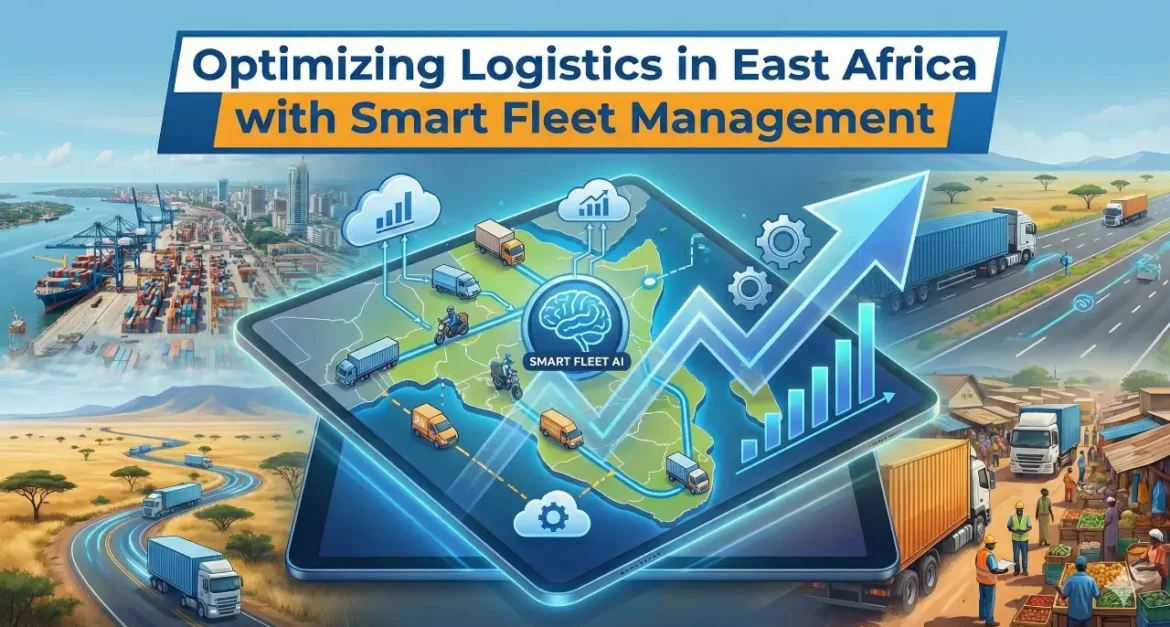
Logistics is the backbone of trade and commerce in East Africa, yet managing fleets efficiently has always been a challenge. From unpredictable road conditions and traffic congestion to vehicle maintenance and delivery deadlines, logistics companies often face hurdles that slow operations and increase costs. Smart fleet management is transforming how these challenges are handled, helping businesses operate more efficiently and meet customer expectations.
What Is Smart Fleet Management?
Smart fleet management is the use of technology and data-driven tools to monitor, control, and optimize vehicle operations. Unlike traditional methods that rely on paper logs and manual reporting, smart systems provide real-time insights into fleet performance, driver behavior, and vehicle health. Core features typically include:
- GPS-based vehicle tracking
- Route optimization
- Fuel consumption monitoring
- Maintenance scheduling
- Driver performance analysis
By integrating these features, companies gain better visibility over their fleets, allowing for faster decision-making and more streamlined operations.
Benefits of Smart Fleet Management
1. Increased Operational Efficiency
East African roads are often unpredictable, with traffic jams, construction, and poor road conditions affecting delivery times. Smart fleet management allows managers to:
- Plan optimal routes based on real-time traffic data
- Monitor vehicle locations and progress
- Adjust schedules quickly to prevent delays
These improvements reduce fuel consumption, save time, and ensure that deliveries reach customers promptly.
2. Reduced Costs
Fuel, maintenance, and unexpected repairs make up a significant portion of a logistics company’s expenses. Smart fleet management helps cut these costs by:
- Tracking fuel usage to detect inefficiencies or fuel theft
- Scheduling preventative maintenance before major issues arise
- Avoiding unnecessary overtime or idle time for vehicles
The result is a leaner, more cost-effective operation without sacrificing service quality.
3. Enhanced Safety and Compliance
Safety is a top priority for any logistics company. With smart fleet management, businesses can:
- Monitor driver behavior, such as speeding, harsh braking, and rapid acceleration
- Provide training to encourage safer driving habits
- Ensure compliance with local road and transport regulations
This not only protects drivers and cargo but also reduces the risk of accidents, insurance claims, and legal complications.
4. Better Customer Experience
Customers increasingly expect transparency and timely updates on their deliveries. Smart fleet systems can:
- Provide live tracking for shipments
- Share estimated delivery times automatically
- Alert customers if there are delays or changes in the route
This level of communication builds trust, strengthens client relationships, and encourages repeat business.
Why East African Logistics Companies Need Smart Fleet Management
The logistics industry in East Africa is growing rapidly, but competition is also increasing. Companies that embrace technology gain a significant advantage over those relying on traditional methods. Smart fleet management empowers businesses to:
- Optimize routes and reduce delivery times
- Lower operational costs and increase profitability
- Improve driver performance and vehicle longevity
- Offer a transparent and reliable service to customers
Modern solutions are flexible and scalable. Whether a company operates a small delivery fleet or a large regional transportation network, fleet management systems can be tailored to fit specific operational needs.
Implementing Smart Fleet Management
Adopting fleet management does not require a complete overhaul of existing systems. Cloud-based platforms and mobile applications make it easy to integrate tracking, analytics, and reporting tools. Companies can start with core features such as GPS tracking and route optimization, then expand to advanced features like predictive maintenance and driver performance scoring as they grow.
The investment pays off quickly. Reduced fuel consumption, lower maintenance costs, improved delivery efficiency, and safer operations all contribute to a stronger bottom line. In addition, the insights gained from data analysis allow managers to make informed decisions that drive continuous improvement.
Conclusion
Smart fleet management is reshaping logistics in East Africa. By leveraging technology to monitor vehicles, optimize routes, and enhance safety, companies can operate more efficiently, reduce costs, and deliver a better experience to customers. In an industry where timely deliveries and operational efficiency are critical, fleet management is not just a convenience—it is a strategic necessity. Companies that embrace this approach position themselves for sustainable growth, stronger client relationships, and long-term success in a competitive market.