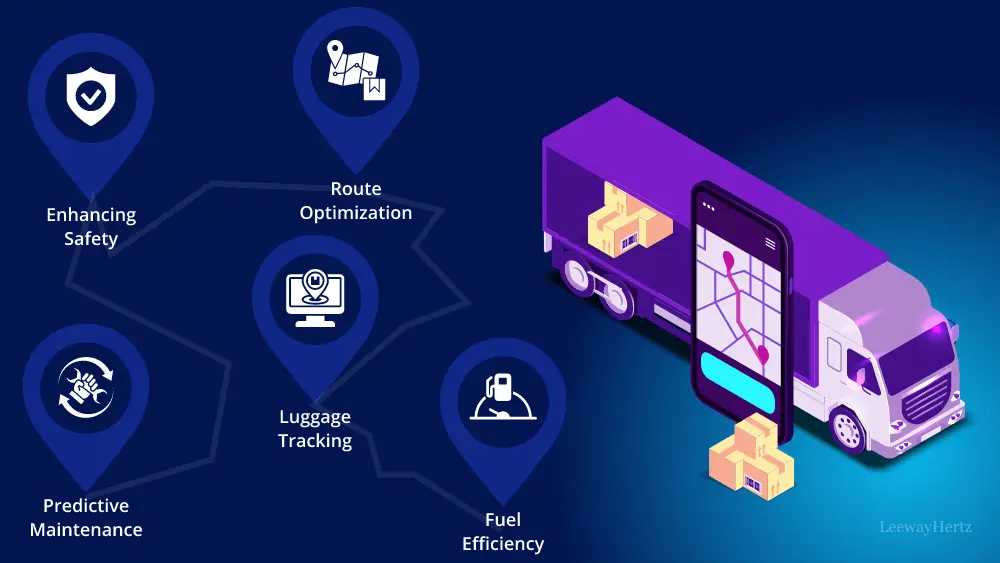
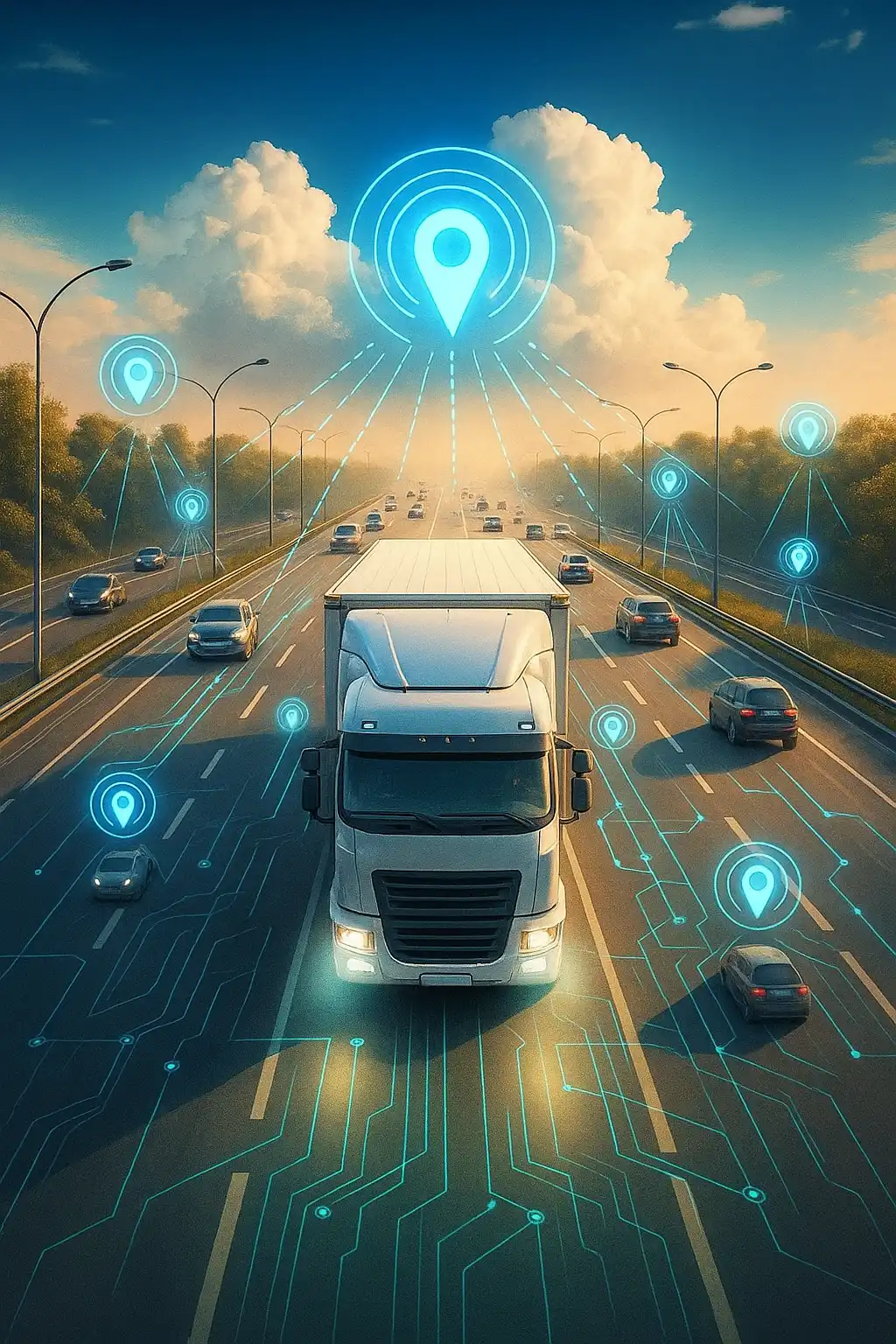
Transforming a national logistics provider’s performance, this project deployed AI-powered telematics to automate route planning, reduce empty miles, and improve delivery efficiency—all while cutting costs.
Project Steps
A structured rollout ensured seamless integration and tangible results across operations:
1
Baseline Data & Route Audit
We analyzed existing delivery routes, fleet load patterns, and empty-mile statistics to benchmark fuel usage and inefficiencies.
2
AI-Driven Route Planning Setup
Leveraging machine learning, our system incorporated real‑time traffic, weather, vehicle capacity, and delivery time windows to auto-generate optimized routes.
3
Dynamic Rerouting Deployment
Routes were made adaptive: in‑transit deviations, new orders, accidents, or road closures triggered intelligent re-optimization mid-route.
4
Telematics Integration & Monitoring
Installed GPS and telematics devices tracked vehicle performance and route fidelity, capturing driver behavior, fuel usage, and location data.
5
Interactive Fleet Dashboard
Operations and dispatch teams accessed a unified dashboard—visualizing real‑time ETAs, live rerouting actions, fuel savings, and delivery status updates.
6
Results Review & Refinement
Post-deployment, analytics revealed a ~25% drop in fuel costs and 30% faster deliveries. Performance metrics guided iterative improvements and expanded rollout.
As a result of implementing AI-driven route planning and dynamic rerouting, the logistics provider achieved a 25% reduction in fuel consumption, eliminated hundreds of empty miles, and delivered goods 30% faster, greatly boosting customer satisfaction and cutting emissions. These real-world gains mirror broader industry successes—like Uber Freight’s 10–15% decrease in empty miles using AI telematics.
Discover our range of Tracking services designed to meet your equipment needs. From online vehicle tracking to fleet management, we offer solutions for financial institutions, businesses, and individuals.