


There is a moment every fleet manager hopes never comes. The phone rings late at night. A driver sounds shaken. An accident has happened, or a vehicle has stopped in an unfamiliar area. In those few seconds, one question matters most. How fast can we respond? This is where Fleet Incident Response becomes critical. It is not just about knowing something went wrong. It is about acting immediately, calmly, and effectively.
Transport businesses across East Africa operate in environments where delays, theft risks, and road incidents are real concerns. A slow reaction can turn a small issue into a serious loss. A fast reaction can prevent escalation and protect lives, cargo, and reputation.
Why Fleet Incident Response Matters More Than Ever
Road networks are expanding. Delivery expectations are rising. Vehicles travel longer distances under tighter schedules. With this growth comes increased exposure to risk.
Fleet Incident Response ensures that when an alert is triggered, whether from harsh driving, a panic button, unauthorized movement, or mechanical failure, someone is watching and ready to act. Instead of relying on drivers to make multiple calls during stressful moments, monitoring systems centralize communication and support.
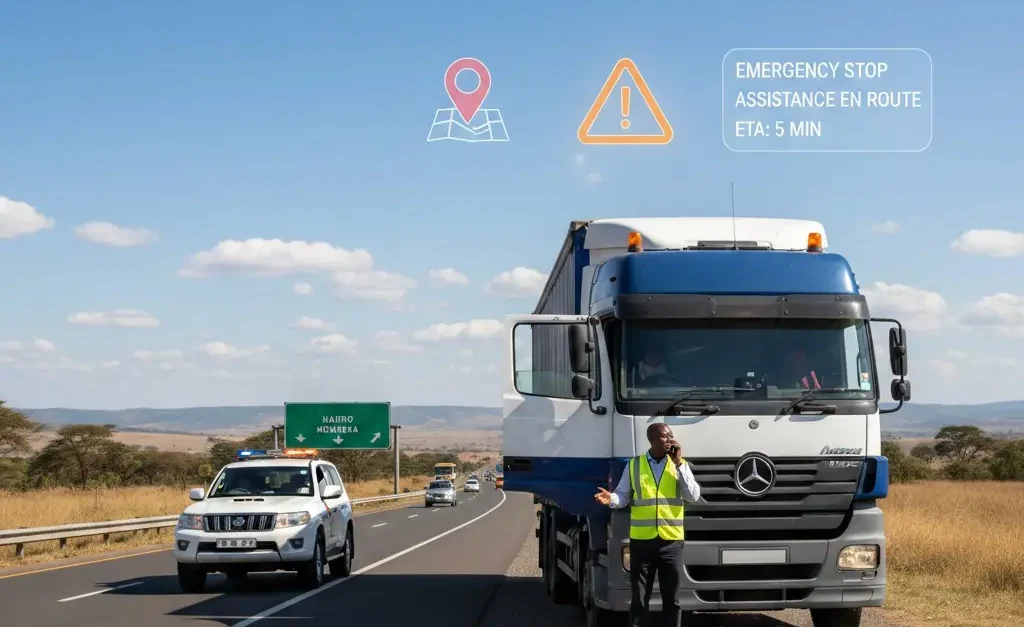
Think about an accident scenario. If a vehicle sends an automatic impact alert, response teams can immediately check location data, contact the driver, and coordinate assistance. That speed can reduce downtime, prevent secondary accidents, and reassure clients waiting for delivery updates.
It also builds internal confidence. Drivers feel supported when they know they are not alone on the road.
How Fleet Incident Response Works in Practice
Modern telematics systems combine GPS tracking, onboard sensors, and communication tools. Together, they create a structured Fleet Incident Response process.
Here is how it often works:
- An alert is triggered by a specific event such as sudden deceleration, route deviation, door opening in restricted zones, or engine tampering.
- The monitoring platform sends instant notifications to the control room or fleet manager.
- The team verifies the alert using live data and contacts the driver if necessary.
- Support actions are initiated. This may include dispatching roadside assistance, notifying security teams, or informing emergency services.
- The incident is documented for reporting and future prevention planning.
The key difference between reactive and structured response is coordination. Without systems in place, information flows slowly. With a clear process, decisions are faster and more precise.
Reducing Financial Loss Through Structured Fleet Incident Response
When incidents are poorly handled, costs multiply. Cargo may be lost. Repairs become more expensive. Insurance claims take longer to resolve. Customers lose trust.
A strong Fleet Incident Response framework reduces these risks. For example, in theft attempts, immediate location tracking can increase recovery chances. In mechanical alerts, early detection can prevent complete breakdowns.
There is also legal and compliance protection. Detailed incident logs provide accurate records of what happened and when. This transparency supports insurance claims and internal audits.
Even small improvements in response time can produce meaningful savings over a year. Fewer delayed deliveries mean stronger client relationships. Faster resolution means vehicles return to operation sooner.
Building a Culture Around Fleet Incident Response
Technology alone does not guarantee success. People and processes matter just as much.
Companies that benefit most from Fleet Incident Response invest in clear protocols. Drivers know what to do when alerts trigger. Control room teams know escalation steps. Managers review incident reports regularly to identify patterns.
Training sessions can turn data into lessons. If repeated speeding alerts occur in certain areas, route planning can be adjusted. If incidents happen during night shifts, additional support measures can be introduced.
There is also a human side. When drivers trust the monitoring system, they are more likely to use panic features or report concerns early. That trust grows when response teams act professionally and quickly.
The Competitive Advantage of Acting Fast
Transport clients value reliability. They understand that incidents can happen. What they judge is how companies handle them.
Businesses with structured Fleet Incident Response capabilities often stand out because they communicate clearly during disruptions. Instead of saying, “We are checking,” they can provide exact locations and action plans.
In competitive logistics markets, this level of control becomes a differentiator. Clients feel confident partnering with companies that demonstrate preparedness and accountability.
Looking Ahead
As telematics systems continue to evolve, real time alerts and automated escalation tools will become even more advanced. But the goal remains simple. Protect drivers, cargo, and operations.
When you think about your own fleet, consider this. If an incident happened right now, how quickly would you know? And how clearly would you know what to do next?
That clarity is the true value of Fleet Incident Response. It transforms uncertainty into action. And in transport, action taken at the right moment can make all the difference.