


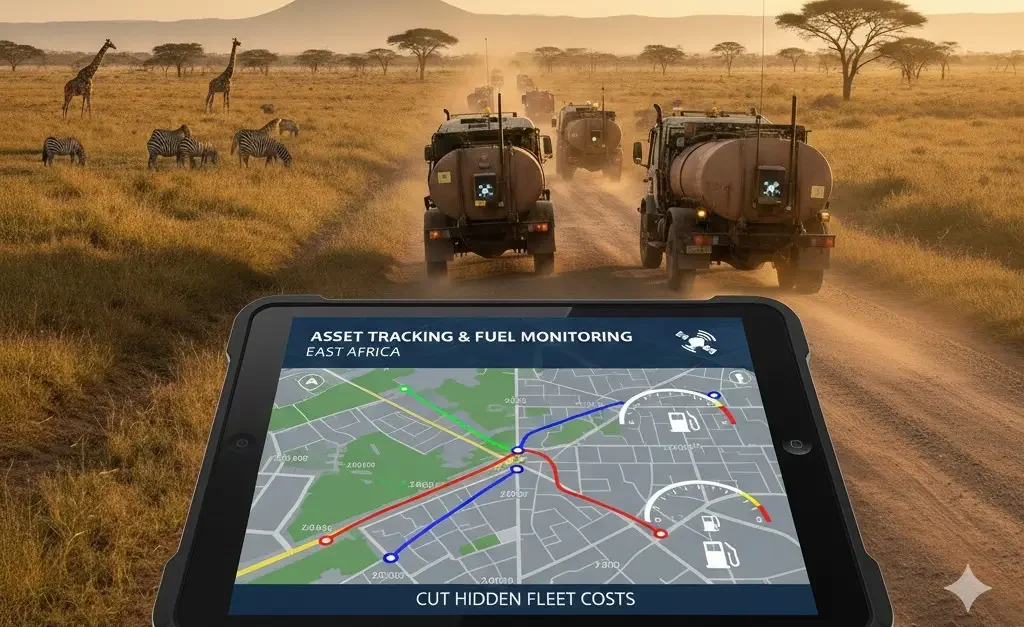
Running a fleet in East Africa comes with unique challenges. Rising fuel prices, vehicle maintenance, and inefficient route planning can eat into profits if not managed properly. One solution that has proven invaluable is asset tracking East Africa. By combining GPS tracking with fuel monitoring, fleet managers can reduce hidden costs, improve efficiency, and keep vehicles in optimal condition. This post explores how asset tracking works, the benefits it brings, and practical tips for implementation.
What Is Asset Tracking in East Africa?
At its core, asset tracking East Africa involves monitoring vehicles and equipment using GPS technology. It allows businesses to know the real-time location of their fleet, track usage patterns, and gather data on operational performance.
How Fuel Monitoring Fits In
Fuel is one of the largest expenses for any fleet. Fuel monitoring systems track consumption, detect wastage, and identify irregularities like fuel theft. When integrated with GPS tracking, fleet managers can see exactly which vehicles consume more fuel, when, and under what conditions. This helps pinpoint inefficiencies and optimize routes.
Key Benefits of Asset Tracking East Africa
Implementing asset tracking East Africa offers several advantages beyond simple location monitoring.
1. Reduced Operational Costs
With detailed fuel usage reports and route optimization, businesses can cut unnecessary expenses. Drivers can be guided along the most efficient routes, reducing fuel wastage and minimizing wear and tear.
2. Enhanced Security
Knowing where each vehicle is at any time reduces the risk of theft. GPS alerts can notify managers immediately if a vehicle strays off route or stops unexpectedly. Combined with fuel monitoring, any unusual consumption patterns can be flagged for investigation.
3. Improved Vehicle Maintenance
Asset tracking systems often come with maintenance reminders. Fleet managers can schedule servicing based on mileage or engine hours, preventing costly breakdowns and keeping vehicles compliant with local transport regulations.
4. Better Decision Making
Historical data from asset tracking East Africa enables managers to identify trends, such as which routes are most fuel-efficient or which vehicles need replacement. Decisions based on this data are far more effective than relying on intuition alone.
How to Implement Asset Tracking and Fuel Monitoring
Introducing asset tracking East Africa to your fleet does not have to be complicated.
- Assess Fleet Needs – Determine the number of vehicles, types of assets, and monitoring priorities.
- Select a Reliable Provider – Choose a GPS tracking and fuel monitoring solution suitable for East African roads and climate conditions.
- Install Tracking Devices – Ensure GPS and fuel sensors are installed properly. Train drivers on how the system works.
- Set Alerts and Reports – Configure notifications for fuel anomalies, route deviations, and maintenance schedules.
- Monitor and Adjust – Regularly review the collected data to improve efficiency and reduce costs.
By following these steps, businesses can fully leverage asset tracking to optimize operations.
Common Mistakes to Avoid
Even with modern tracking technology, some pitfalls can reduce effectiveness:
- Ignoring system alerts or delaying maintenance actions.
- Selecting solutions that are not supported locally or lack essential features.
- Failing to train drivers and staff on proper usage.
Avoiding these mistakes ensures that asset tracking East Africa delivers measurable benefits.
Conclusion
Fuel costs, vehicle maintenance, and inefficiencies are significant challenges for fleets in East Africa. Asset tracking combined with fuel monitoring provides a clear solution. By implementing these systems, businesses can reduce operational costs, enhance security, improve maintenance schedules, and make smarter, data-driven decisions.
Investing in asset tracking is not just a technology upgrade; it’s a step toward more efficient, profitable, and accountable fleet management. Companies that adopt these systems early gain a competitive advantage, ensuring their operations are both cost-effective and reliable.