

For fleet managers across East Africa, knowing exactly where each vehicle is at any given moment is more than a convenience—it’s essential for operational efficiency, security, and accountability. With vehicles spread across busy urban roads and long rural routes, managing a fleet without clear oversight can lead to delays, misuse, and unnecessary costs. This is where vehicle tracking visibility comes in. By combining GPS tracking with real-time data, fleet operators gain insight into vehicle location, movement patterns, and overall performance. In this post, we’ll explore how vehicle tracking visibility works, why it matters, and how it can transform fleet operations in East Africa.
What Is Vehicle Tracking Visibility?
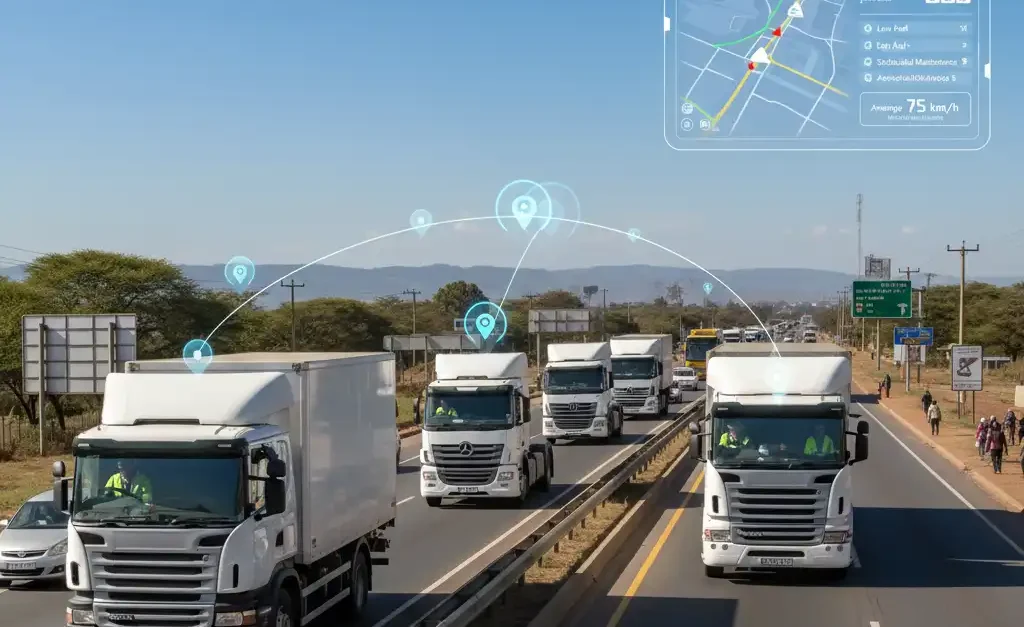
Vehicle tracking visibility refers to the ability to monitor and view the exact position and status of fleet vehicles in real time. Unlike traditional tracking systems that only show approximate locations, advanced visibility solutions provide detailed insights including speed, idle time, routes taken, and unexpected stops.
Key Features
- Real-Time GPS Monitoring: See the exact location of every vehicle at any time.
- Route History: Review past trips for operational analysis and compliance.
- Geofencing Alerts: Get notified when vehicles leave or enter designated areas.
- Performance Data: Monitor fuel use, engine health, and driving patterns.
With these tools, fleet managers can detect inefficiencies, prevent unauthorized use, and respond quickly to incidents on the road.
Why Vehicle Tracking Visibility Matters in East Africa
East African roads present unique challenges. Traffic congestion, unpredictable road conditions, and long-distance deliveries make fleet oversight difficult. Vehicle tracking visibility solves these problems by providing a transparent, data-driven view of operations.
1. Enhanced Operational Efficiency
With real-time tracking, managers can optimize routes, reduce delays, and improve delivery schedules. Visibility ensures vehicles are used efficiently, cutting unnecessary mileage and fuel costs.
2. Improved Security and Theft Prevention
Vehicle theft is a risk in many regions. Tracking visibility allows managers to detect unauthorized movement and respond quickly. Knowing a vehicle’s exact location improves recovery times and reduces losses.
3. Better Driver Accountability
Monitoring vehicle movement encourages responsible driving. Drivers are less likely to take unauthorized detours or misuse company vehicles when they know their routes are visible.
4. Data-Driven Decisions
Historical and real-time data on vehicle movement can inform fleet planning, maintenance schedules, and replacement strategies. With insights from vehicle tracking visibility, managers can make better operational and financial decisions.
How to Implement Vehicle Tracking Visibility
Adopting vehicle tracking visibility requires more than just installing a GPS device. Here’s a simple step-by-step approach for East African fleets:
- Assess Fleet Needs: Identify the number of vehicles, routes, and operational challenges.
- Select a Suitable Platform: Choose a GPS tracking solution that offers real-time visibility, route reporting, and geofencing.
- Install Devices Properly: Ensure tracking devices are securely installed in all vehicles and tested for accuracy.
- Set Alerts and Reports: Configure notifications for unauthorized movement, excessive idling, or route deviations.
- Train Staff: Educate drivers and managers on using the system, understanding alerts, and interpreting reports.
- Review and Adjust: Regularly analyze the data to optimize routes, improve efficiency, and address any operational gaps.
Common Mistakes to Avoid
Even with advanced tracking, some fleets fail to maximize visibility due to simple mistakes:
- Ignoring data and alerts instead of acting on them promptly.
- Choosing a tracking solution that lacks real-time capabilities.
- Failing to train drivers and managers on how to use the system effectively.
- Overlooking privacy concerns and regulatory compliance.
Avoiding these mistakes ensures that vehicle tracking visibility delivers meaningful insights and operational improvements.
The Benefits Beyond Visibility
While the main goal is oversight, vehicle tracking visibility also brings additional benefits:
- Reduced Fuel Costs: By optimizing routes and reducing idle time, fleets save money on fuel.
- Lower Maintenance Expenses: Monitoring vehicle usage helps schedule timely maintenance, preventing costly repairs.
- Enhanced Customer Satisfaction: Accurate ETAs and efficient deliveries improve client trust and reliability.
- Compliance Reporting: Detailed route and vehicle history simplify reporting for regulators or internal audits.
Visibility doesn’t just track vehicles—it empowers fleets to operate smarter and safer.
Conclusion
In East Africa’s dynamic and challenging transport environment, fleet managers need more than intuition to keep operations running smoothly. Vehicle tracking visibility provides the transparency and data needed to optimize routes, improve driver accountability, reduce risks, and protect company assets.
Investing in advanced tracking solutions is not just about technology—it’s about gaining control, making smarter decisions, and ensuring fleet efficiency. Fleets that embrace visibility benefit from safer roads, lower costs, and improved operational performance, giving them a competitive edge in a growing market.