



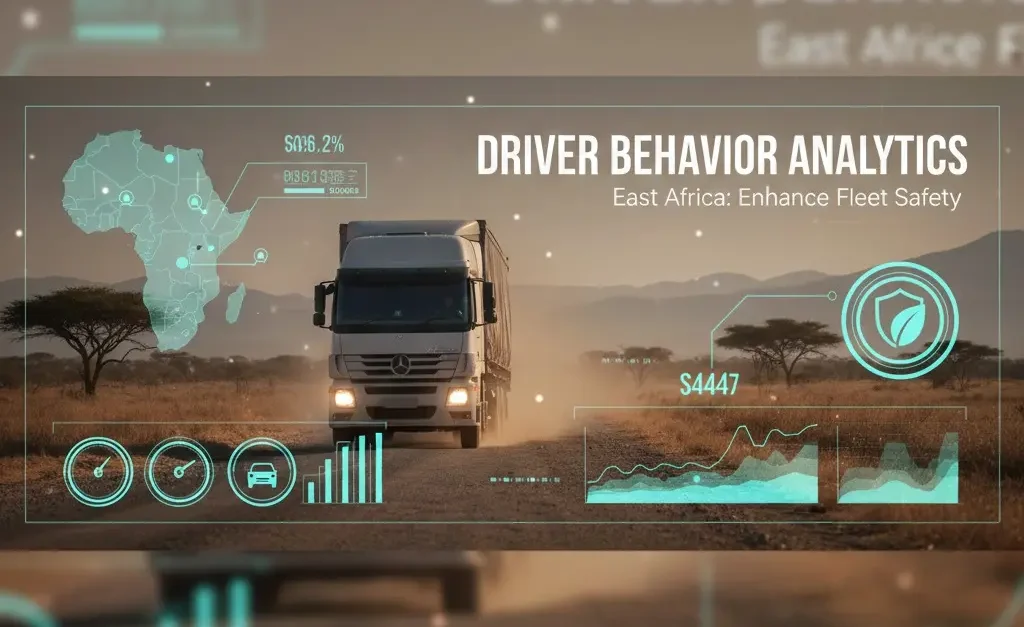
Driver performance is one of the most critical factors in fleet safety. In East Africa, where roads can be unpredictable and traffic conditions vary, understanding how drivers operate vehicles can prevent accidents, reduce maintenance costs, and save lives. Driver behavior analytics provides fleet managers with real-time data on driving patterns, helping identify risky habits and improve overall fleet safety. In this post, we explore the importance of analyzing driver behavior, key benefits, and practical steps for implementation.
What Is Driver Behavior Analytics?
Driver behavior analytics involves monitoring and analyzing how drivers operate vehicles. Using telematics systems, GPS devices, and onboard sensors, fleet managers can track metrics such as:
- Speeding incidents
- Harsh braking or acceleration
- Sharp turns and cornering
- Idle times and route deviations
This data helps managers identify unsafe driving patterns and take proactive steps to address them before they result in accidents or vehicle damage.
Key Tools for Analytics
- Telematics Devices: Track location, speed, and movement patterns in real time.
- In-Cab Alerts: Notify drivers immediately if they exceed speed limits or drive aggressively.
- Driver Scorecards: Summarize behavior patterns and compare across the fleet for training purposes.
By combining these tools, driver behavior analytics allows fleet operators to create a culture of safety while improving efficiency.
Benefits of Driver Behavior Analytics East Africa
Integrating driver behavior analytics into fleet operations offers multiple advantages.
1. Improved Road Safety
Unsafe driving is a leading cause of accidents. Analytics provides insight into risky habits such as speeding or harsh braking, allowing managers to coach drivers and reduce accident rates.
2. Reduced Vehicle Wear and Maintenance Costs
Aggressive driving wears out brakes, tires, and engines faster. By monitoring driver behavior, fleet managers can identify patterns that contribute to higher maintenance costs and address them early.
3. Lower Insurance Premiums
Insurance providers often reward fleets that use data-driven safety programs. Implementing driver behavior analytics can demonstrate a commitment to safety, potentially lowering premiums and claims.
4. Enhanced Driver Training
Analytics allows managers to tailor training programs to individual driver needs. By understanding specific weaknesses, such as frequent hard braking or acceleration, training becomes more effective and targeted.
5. Data-Driven Decision Making
Historical and real-time data on driver performance can guide policy changes, fleet expansion, and operational improvements. Insights from driver behavior analytics support smarter decision-making.
How to Implement Driver Behavior Analytics
Implementing driver analytics doesn’t have to be complex. Here’s a simple approach for East African fleets:
- Assess Fleet Needs: Determine the number of vehicles and drivers to monitor.
- Select the Right Platform: Choose a telematics or fleet management system that supports driver behavior monitoring.
- Install Devices: Fit GPS and sensor devices in vehicles and ensure drivers understand the system.
- Set Alerts and Reporting: Configure notifications for unsafe driving events and generate regular performance reports.
- Coach and Train Drivers: Use the data to guide individualized training and encourage safe driving practices.
- Review and Adjust: Continuously analyze reports to improve fleet safety and operational efficiency.
Common Mistakes to Avoid
Even with driver behavior analytics, fleets can fall short if:
- Managers ignore alerts or fail to coach drivers.
- Systems are installed but data is not regularly analyzed.
- Drivers are not properly trained to understand the purpose of monitoring.
Avoiding these mistakes ensures the analytics system delivers measurable safety improvements and operational benefits.
Conclusion
Fleet safety in East Africa depends heavily on driver performance. Driver analytics provides actionable insights that help reduce accidents, lower maintenance costs, and improve overall operational efficiency. By monitoring driving patterns, coaching drivers, and using data-driven strategies, fleet operators can create safer, more reliable fleets.
Investing in driver behavior analytics is not just about technology—it’s about protecting lives, reducing costs, and building a culture of safety within your fleet. Companies that embrace this approach gain a competitive edge while ensuring their operations are secure and efficient.